
Starting a food truck can be an exciting venture, but without a solid plan, it can quickly turn into a struggle. If you’re looking to launch your food truck business in 2025, you need to have a clear strategy in place. This article will guide you through the essential steps on how to create a food truck business plan that sets you up for success. From defining your unique concept to understanding your market and finances, we’ll cover everything you need to know to get rolling on the right foot.
Key Takeaways
- Identify a unique niche that sets your food truck apart.
- Understand your target customers and what they want.
- Create a detailed financial plan including startup costs and revenue projections.
- Stay updated on local regulations and obtain necessary permits.
- Develop a strong marketing strategy to engage your community.
Crafting Your Unique Food Truck Concept
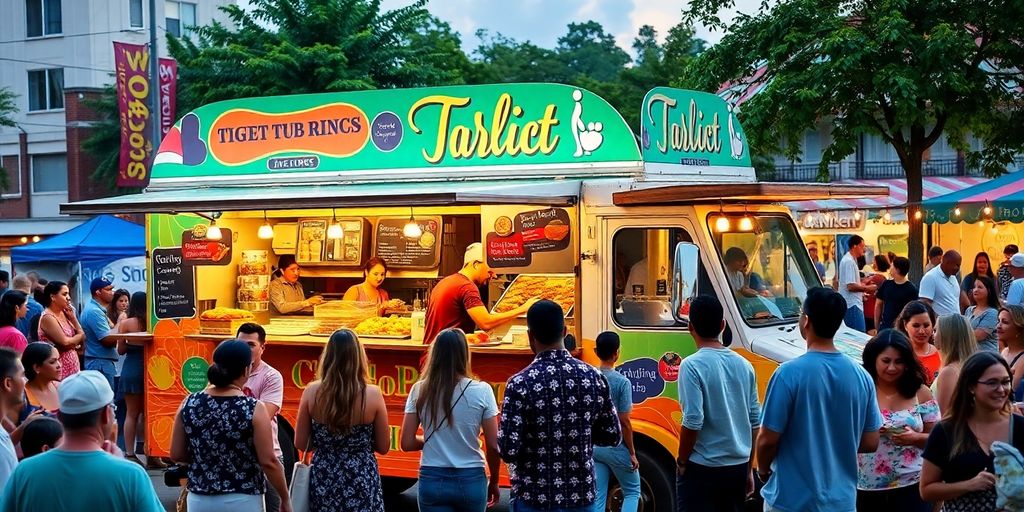
Alright, let’s get to the fun part – dreaming up your amazing food truck concept! This is where you get to let your creativity shine and figure out what makes your truck special. It’s not just about the food; it’s about the whole vibe. Let’s break it down:
Identifying Your Niche
Okay, so you wanna sell food, great! But what kind of food? And to who? Finding your niche is super important. Are you thinking gourmet grilled cheese for the late-night crowd? Or maybe healthy smoothies for the fitness fanatics? Think about what’s missing in your area. What kind of food do people crave that they can’t easily get from a truck? Don’t be afraid to get super specific. The more focused you are, the easier it’ll be to attract your ideal customers.
Creating a Memorable Brand
Your brand is more than just a logo; it’s the whole experience. What’s your truck’s personality? Is it fun and quirky, or sleek and sophisticated? Think about your name, your colors, your font – everything should work together to create a cohesive and memorable brand. A cool name and eye-catching design can make all the difference. Make sure your truck looks as good as your food tastes!
Designing Your Menu
Time to talk food! Your menu should be a reflection of your brand and your niche. Don’t try to be everything to everyone. Focus on doing a few things really well. Use high-quality ingredients, get creative with your recipes, and don’t be afraid to experiment. And most importantly, make sure your menu is easy to read and understand. No one wants to stand there squinting at a tiny menu board while they’re hungry! Consider offering a few signature items that people will come back for again and again. Also, think about offering options for people with dietary restrictions. Vegan, gluten-free, etc. – it’s a great way to expand your customer base.
Understanding Your Target Market
Okay, so you’ve got this awesome food truck idea, right? But before you start picturing lines around the block, let’s talk about who exactly is going to be lining up. Knowing your target market isn’t just some business school thing; it’s the difference between thriving and just… surviving. Let’s get into it!
Researching Customer Preferences
First things first: what do people actually want to eat? Don’t just assume your amazing gourmet tacos are going to be a hit everywhere. Do some digging! Check out local food blogs, social media, and even just hang out where your potential customers do. What are they buying? What are they talking about? What kind of food trucks are already popular? This is where you figure out if your food truck business plan aligns with what people are actually craving.
Here’s a quick example of how customer preferences can impact your menu:
- Location Matters: Near a gym? Healthy bowls might kill it. Near a college? Late-night snacks are your friend.
- Dietary Needs: Vegan, gluten-free, allergies – are there unmet needs in your area?
- Price Point: Are people willing to drop $15 on a fancy sandwich, or are they looking for a quick $5 bite?
Analyzing Competitors
Alright, so you’re not the only food truck in town (probably). That’s okay! Competition is good, it means there’s a market. But you need to know what you’re up against. What are other food trucks doing well? What are they not doing well? What are their prices like? What’s their vibe? Don’t copy them, but definitely learn from them. Maybe they’re killing it with BBQ, but their vegetarian options are sad. Boom, there’s your opening. Find a gap and fill it!
Defining Your Ideal Customer
Okay, time to get specific. Who is your ideal customer? Give them a name, an age, a job, hobbies, the whole nine yards. Are they students grabbing a quick lunch? Young professionals looking for a unique dinner? Families wanting a fun weekend treat? The more specific you are, the easier it will be to market to them and create a menu they’ll love.
Think of it this way: if you’re trying to appeal to everyone, you’ll end up appealing to no one. Focus on a specific group, and you’ll build a loyal following. Plus, it makes your marketing way easier. You’ll know where they hang out online, what kind of ads they respond to, and what kind of food pics will make them drool. It’s all about knowing your people!
Building a Solid Financial Foundation
Alright, let’s talk money! Getting your finances in order is super important for your food truck’s success. It’s not just about having a cool menu; you need to know your numbers. Let’s break down how to build that financial bedrock.
Estimating Startup Costs
First things first, you gotta figure out how much cash you need to get rolling. This isn’t just the cost of the truck itself. Think about everything: permits, initial inventory, equipment (like that fancy grill!), marketing materials, and even a little cushion for unexpected stuff. Be thorough here; underestimating is a common mistake. A detailed list is your best friend. Here’s a quick example:
- Truck Purchase/Lease: $30,000 – $80,000
- Equipment: $10,000 – $25,000
- Permits & Licenses: $500 – $2,000
- Initial Inventory: $2,000 – $5,000
- Marketing: $1,000 – $3,000
Creating Revenue Projections
Okay, now for the fun part: imagining all that sweet, sweet revenue! But hold on, don’t get carried away. Be realistic. How many customers can you realistically serve per day? What’s your average order value? Factor in things like location, seasonality, and competition. Projecting your revenue helps you understand if your business model is viable.
Here’s a simple way to think about it:
- Customers per day: 50
- Average order value: $15
- Daily revenue: $750
- Monthly revenue (assuming 25 operating days): $18,750
Planning for Unexpected Expenses
Stuff happens, right? The generator breaks down, the health inspector finds something unexpected, or you have a slow week because of bad weather. That’s why you need a contingency fund. Aim to have at least 3-6 months of operating expenses saved up. It’s like an insurance policy for your food truck dreams.
Having a financial safety net can be the difference between closing up shop and weathering the storm. It’s not just about surviving; it’s about having the peace of mind to focus on growing your business.
Navigating Permits and Regulations
Okay, so you’ve got this awesome food truck idea, right? But before you start slinging those gourmet tacos, there’s a bit of a hurdle: permits and regulations. Don’t sweat it! It might seem like a headache, but getting this stuff sorted early can save you a ton of trouble down the road. Think of it as building a solid foundation for your mobile food empire. Let’s break it down.
Understanding Local Laws
First things first, you gotta know the rules of the game. Every city and county has its own set of laws about where you can park, what kind of food you can sell, and even the hours you can operate. Your first step is to hit up your local city hall or check their website. Seriously, spend some time digging around. Look for anything related to mobile food vendors, food trucks, or even just general business regulations. It’s also a good idea to attend any local business workshops; they often have people who can explain this stuff in plain English. It’s better to be over-prepared than to get slapped with a fine later on. For example, in California, all employees involved in food preparation or handling within a food truck must obtain a food handler’s license, also referred to as an employee health permit.
Securing Necessary Licenses
Alright, so you’ve done your research and you know what permits you need. Now it’s time to actually get them. This usually involves filling out a bunch of forms, paying some fees, and maybe even getting your truck inspected. Here’s a quick rundown of some common licenses you might need:
- Business License: This is a general license to operate a business in your city or county. It’s usually pretty straightforward to get.
- Food Service Permit: This one’s specific to food businesses. It shows that you’re following health and safety regulations.
- Mobile Vendor Permit: This allows you to actually park and sell food from your truck in approved locations.
Keep in mind that the fees and processing times can vary a lot. Some permits might only take a week or two, while others could take a month or more. So, start early! Here’s a rough idea of what you might be looking at:
| Permit Type | Processing Time | Estimated Cost |
|---|---|---|
| Food Service Permit | 2-4 weeks | $100-$300 |
| Business License | 1-2 weeks | $50-$150 |
Staying Compliant with Health Codes
This is a big one. Health codes are there to protect your customers (and you!). They cover everything from how you store food to how often you clean your truck. Regular inspections are part of the deal, so you need to be ready. Here are some tips for staying on top of things:
- Get familiar with your local health codes: Don’t just skim them; really understand them.
- Train your staff: Make sure everyone knows how to handle food safely.
- Keep your truck clean: This should be a no-brainer, but it’s worth repeating. Cleanliness is next to food-truck-liness!
Staying compliant isn’t just about avoiding fines; it’s about building trust with your customers. People want to know that the food they’re eating is safe and prepared in a clean environment. If you can show them that you’re taking health and safety seriously, they’ll be more likely to come back for more.
By taking these steps seriously, entrepreneurs looking to start a food truck business can build strong foundations for a thriving business. Being meticulous with food truck permits and health certifications not only secures your license to operate but also builds consumer trust, making your food truck a reliable choice in a competitive market.
Developing a Winning Marketing Strategy
Alright, let’s talk about getting the word out about your awesome food truck! A killer marketing strategy isn’t just about shouting from the rooftops; it’s about connecting with your ideal customers and making them crave what you’re serving. Think of it as building a relationship, one delicious bite at a time.
Utilizing Social Media Effectively
Social media is your best friend. Seriously. It’s where everyone hangs out, and it’s a super cost-effective way to reach a ton of people. But just posting pretty pictures isn’t enough. You gotta be strategic. Here’s the lowdown:
- Know Your Platforms: TikTok, Instagram, Facebook – they all have different vibes. Tailor your content to each one. For example, Instagram is great for drool-worthy food pics, while TikTok is perfect for behind-the-scenes fun. Consider using social media campaigns to boost your reach.
- Engage, Engage, Engage: Don’t just broadcast; talk with your followers. Respond to comments, ask questions, run polls. Make it a conversation.
- Run Contests and Giveaways: Who doesn’t love free food? Offer a free meal or a discount to followers who share your posts or tag their friends. It’s a great way to get people excited and spread the word.
Engaging with Your Community
Your local community is your bread and butter (pun intended!). Getting involved and building relationships is key to long-term success. Here’s how to do it:
- Partner with Local Businesses: Team up with nearby shops, breweries, or events. Offer discounts to their customers, or collaborate on a special menu item. It’s a win-win!
- Participate in Local Events: Food festivals, farmers markets, street fairs – these are all fantastic opportunities to get your food in front of new people and build brand awareness.
- Support Local Charities: Show your community that you care by donating a portion of your proceeds to a local cause. It’s a great way to give back and build goodwill.
Creating Promotions and Events
Everyone loves a good deal or a fun event. Promotions and events are a great way to drive traffic to your food truck and keep customers coming back for more. Here are some ideas:
- Loyalty Programs: Reward your regular customers with discounts or freebies. A simple punch card or a digital loyalty app can work wonders.
- Themed Events: Host special events based on holidays, seasons, or even just fun themes. Think "Taco Tuesday," "BBQ Weekend," or "International Food Night."
- Limited-Time Offers: Create a sense of urgency by offering special menu items or discounts for a limited time only. This encourages people to try something new and visit your truck sooner rather than later.
Remember, marketing is an ongoing process. Don’t be afraid to experiment, track your results, and adjust your strategy as needed. The goal is to find what works best for your food truck and your target market. Good luck, and happy marketing!
Setting Up Your Operations for Success
Alright, so you’ve got your concept, your market, and your finances in order. Now comes the fun part: actually getting your food truck up and running! It’s like building a race car – all the planning in the world won’t matter if the wheels fall off during the first lap. Let’s make sure those wheels stay on tight.
Choosing the Right Location
Location, location, location! It’s not just a real estate mantra; it’s the lifeblood of your food truck. You could have the best tacos this side of the Mississippi, but if you’re parked in a ghost town, nobody’s gonna know. Think about foot traffic, visibility, and accessibility.
Here’s a quick checklist:
- Research: Scope out potential spots at different times of day. See where the crowds are.
- Permits: Make sure you can legally park and operate there. No one wants a surprise visit from the local authorities.
- Competition: Are there other food trucks nearby? Sometimes a little competition is good, but too much can spread customers thin.
Don’t be afraid to get creative. Think about office parks during lunch, breweries in the evening, or even partnering with local businesses for special events. The perfect spot might not be obvious, but with a little digging, you’ll find it.
Streamlining Your Supply Chain
Imagine running out of your signature sauce during a lunch rush. Nightmare fuel, right? A smooth supply chain is all about preventing those kinds of disasters. It’s about getting the right ingredients, at the right price, at the right time.
Here’s how to keep things flowing:
- Find Reliable Suppliers: Don’t just go with the cheapest option. Look for suppliers who are consistent, trustworthy, and can handle your volume.
- Negotiate Prices: Don’t be afraid to haggle! Every dollar you save on ingredients is a dollar that goes into your pocket. Consider joining a food truck association for group discounts.
- Inventory Management: Keep a close eye on what you have and what you need. Use a simple spreadsheet or invest in inventory management software to avoid waste and shortages.
Hiring and Training Staff
Your staff is the face of your business. They’re the ones interacting with customers, prepping food, and keeping things running smoothly. Treat them well, train them properly, and they’ll be your biggest asset.
Here’s the deal:
- Hire the Right People: Look for people who are friendly, reliable, and passionate about food. Experience is a plus, but attitude is everything.
- Invest in Training: Don’t just throw them into the deep end. Provide thorough training on food safety, customer service, and your menu.
- Create a Positive Work Environment: Happy employees mean happy customers. Foster a team environment where everyone feels valued and respected. Offer growth and development opportunities to keep your staff engaged. Consider weekly briefings to align team goals with daily targets.
With the right location, a streamlined supply chain, and a stellar team, you’ll be well on your way to food truck success! Now, let’s talk about getting the word out…
Evaluating and Adjusting Your Business Plan
Okay, so you’ve got this awesome food truck business plan all set. But here’s the thing: it’s not a ‘set it and forget it’ kind of deal. The world changes, tastes evolve, and what looked amazing on paper might need a little tweaking in reality. That’s where evaluating and adjusting comes in. Think of it as fine-tuning your food truck for maximum deliciousness and profit!
Tracking Key Performance Indicators
KPIs are your business’s vital signs. They tell you how healthy your food truck is doing. Keep a close eye on metrics like daily sales, customer counts, average order value, and popular menu items. If your revenue projections business plan aren’t lining up with reality, it’s time to dig in and figure out why. Are your costs higher than expected? Is your marketing not reaching the right people? Maybe your awesome new dish isn’t as popular as you thought. Here’s a simple table to illustrate:
| KPI | Target | Actual | Notes |
|---|---|---|---|
| Daily Sales | $500 | $400 | Need to increase marketing efforts |
| Customer Count | 50 | 40 | Consider loyalty programs |
| Average Order Value | $10 | $9 | Upsell opportunities? |
Gathering Customer Feedback
Your customers are your best source of information. What do they love? What could be better? Don’t be afraid to ask! Here are a few ways to get the scoop:
- Online Surveys: Use tools like SurveyMonkey or Google Forms to get detailed feedback. Offer a small discount for completing the survey.
- Social Media Polls: Quick and easy way to gauge interest in new menu items or promotions.
- In-Person Conversations: Chat with your customers while they’re waiting for their food. A friendly conversation can reveal a lot.
Remember, negative feedback is a gift. It shows you where you can improve. Don’t take it personally; use it to make your food truck even better.
Adapting to Market Changes
The food truck scene is always changing. New trends emerge, competitors pop up, and customer preferences shift. You need to be ready to adapt. Here are some things to watch out for:
- Seasonal Trends: Adjust your menu based on what’s in season. Offer warm soups and chili in the winter, and refreshing salads and iced drinks in the summer.
- Competitor Analysis: Keep an eye on what other food trucks are doing. What are their popular items? What are their prices? How are they marketing themselves?
- Economic Conditions: If the economy takes a downturn, you might need to adjust your prices or offer more affordable options. Consider using budgeting apps budgeting apps to track daily sales.
By staying flexible and responsive, you can ensure that your food truck business plan remains a roadmap to success, even as the landscape changes. Good luck!
Wrapping It Up
So there you have it! Crafting a solid food truck business plan isn’t just about filling out forms or checking boxes. It’s about laying down a roadmap that’ll guide you through the ups and downs of running your food truck. With a clear plan, you’ll be ready to tackle challenges and seize opportunities as they come. Remember, the food truck scene is all about creativity and connection. Keep your passion alive, stay flexible, and don’t be afraid to tweak your plan as you go. Here’s to your future success on the streets in 2025 and beyond!
Frequently Asked Questions
What should I consider when choosing my food truck’s theme?
Think about what type of food you love and what makes you different from other food trucks. Find a theme that fits your personality and the tastes of your community.
How can I find out what my customers want?
You can survey people in your area, check social media trends, or look at what other food trucks are selling. This will help you understand what customers are looking for.
What are the main costs I need to plan for?
You should consider costs like buying the truck, kitchen equipment, food supplies, and permits. Don’t forget to budget for things like gas and repairs.
What permits do I need to operate my food truck?
You will need health permits, business licenses, and possibly parking permits. Check with your local government to see what is required.
How can I promote my food truck effectively?
Use social media to share your location and menu. Engage with your community by participating in local events and offering special deals.
What should I do if my business isn’t doing well?
Look at your sales and customer feedback to find out what’s not working. Be ready to change your menu, location, or marketing strategies to improve your business.