

So, you want to know about different types of branding? Good idea! It’s a big topic, but super important for anyone trying to get their message out there. Whether you’re a small business owner, a freelancer, or just curious, knowing how brands work can really help. We’ll go through all the main kinds, from big company names to how you present yourself. It’s not as complicated as it sounds, and by the end, you’ll have a much better idea of how brands get noticed and why some just stick in your head. Let’s get into it!
Key Takeaways
- Branding isn’t just a logo; it’s about how people feel about a product, service, or person.
- There are many different types of branding, each with its own purpose.
- Understanding these types helps businesses and individuals pick the right approach.
- Good branding helps things stand out and connect with people.
- A clear brand message makes it easier for customers to remember and trust you.
Unveiling the Magic of Corporate Branding
Corporate branding? It’s way more than just a logo! It’s about the whole shebang – how your company presents itself to the world. It’s your voice, your values, and the overall experience you create. Think of it as the personality of your business. Let’s explore how to make that personality shine!
Building a Strong Foundation
Think of your corporate brand as the bedrock of your business. It’s what everything else is built upon. To build a solid foundation, consider these points:
- Define your core values: What does your company truly stand for?
- Craft a compelling mission statement: What are you trying to achieve?
- Develop a unique brand voice: How do you communicate with the world? Is it formal, friendly, or something else entirely?
Shaping Public Perception
Public perception is reality, right? Well, almost. It’s super important to actively shape how people see your company. Here’s how:
- Consistent messaging: Make sure your message is the same across all platforms.
- Positive PR: Actively seek out opportunities to showcase your company in a good light. Consider brand guidelines to ensure consistency.
- Address negative feedback: Don’t ignore complaints! Respond promptly and professionally.
Your corporate brand is your reputation. It’s what people say about you when you’re not in the room. Make sure it’s a good story!
Cultivating Trust and Loyalty
Trust and loyalty are the holy grail of branding. Once you have them, customers will stick with you through thick and thin. Here’s how to get there:
- Be transparent: Honesty is always the best policy.
- Provide excellent customer service: Go above and beyond to make your customers happy.
- Reward loyalty: Offer exclusive deals and perks to your most valued customers.
The Power of Personal Branding
Personal branding? It’s all about you! It’s not just for celebrities or influencers anymore. In today’s world, having a strong personal brand can really open doors, no matter what you do. It’s about shaping how people see you, what they think of when your name comes up. It’s about being intentional with your image and reputation.
Crafting Your Unique Story
Everyone has a story, and yours is what makes you, well, you. Think about what makes you tick, what you’re passionate about, and what experiences have shaped you. Your personal brand is built on this foundation. Don’t be afraid to show your personality and let your quirks shine through. It’s what makes you relatable and memorable.
Here are some things to consider when crafting your story:
- What are your core values?
- What are your biggest accomplishments?
- What challenges have you overcome?
Your personal brand is more than just a resume; it’s a reflection of your character, values, and the unique perspective you bring to the table. It’s about showing the world who you are, not just what you do.
Becoming an Industry Leader
Want to be seen as an expert in your field? Personal branding can help with that! By sharing your knowledge, insights, and experiences, you can position yourself as a go-to resource. This could involve writing blog posts, speaking at conferences, or simply being active on social media. It’s about showing that you know your stuff and that you’re passionate about what you do. A strong personal brand statement can really help you stand out.
Connecting Authentically
At the end of the day, personal branding is about building relationships. It’s about connecting with people on a human level and creating genuine connections. Be yourself, be honest, and be respectful. People can spot a fake a mile away, so authenticity is key.
Here are some ways to connect authentically:
- Engage with your audience on social media.
- Share your personal experiences and insights.
- Be responsive and helpful.
Exploring Product Branding
Product branding? It’s how you make your product more than just a thing. It’s about giving it a personality, a story, and a reason for people to choose it over everything else on the shelf. It’s not just about slapping a logo on something; it’s about creating an entire experience around it. Let’s get into it!
Making Your Product Shine
Think about your favorite product. What makes it stand out? Is it the packaging? The colors? The way it makes you feel? All of that is product branding at work. It’s about crafting a visual and emotional identity that grabs attention and sticks in people’s minds.
Here are some things to consider:
- Packaging: Is it eye-catching and functional?
- Colors: Do they align with your brand’s personality?
- Typography: Is it readable and consistent with your brand’s style?
Creating Memorable Experiences
Product branding isn’t just about what something looks like; it’s about how it makes people feel. Think about the unboxing experience. Is it exciting and memorable? Does it make people want to share it with their friends? These little details can make a big difference. Consider how product design guidelines can help create a unified brand language.
A great product experience can turn a one-time buyer into a loyal fan. It’s about going above and beyond to create something that people will remember and want to come back to again and again.
Standing Out on the Shelves
In a crowded marketplace, it’s more important than ever to differentiate your product. What makes it unique? What problem does it solve? How does it improve people’s lives? Make sure your branding clearly communicates these benefits.
Here are some ways to stand out:
- Highlight your unique selling points.
- Tell a compelling story about your brand.
- Connect with your target audience on an emotional level.
Diving into Service Branding
Okay, so we’ve talked about branding products, companies, and even yourself. But what about services? It’s a whole different ballgame, but just as important. Think about it: you can’t exactly hold a service in your hand, can you? That’s why service branding is all about creating a feeling, an experience, and a promise.
Delivering Exceptional Experiences
This is where the rubber meets the road. Your brand isn’t just what you say it is; it’s what your customers experience. It’s about going above and beyond to make sure every interaction is positive. Think about your favorite coffee shop. It’s not just the coffee, right? It’s the friendly barista, the cozy atmosphere, and the consistent quality. That’s service branding in action. Here are some ways to make sure you are delivering:
- Train your staff to be awesome.
- Actively seek feedback and actually use it.
- Make it easy for customers to get in touch with you.
Building Emotional Connections
People don’t just buy services; they buy into the feeling they get from them. Think about a spa day. You’re not just paying for a massage; you’re paying for relaxation, rejuvenation, and a little bit of pampering. That’s an emotional connection. To build these connections, you can:
- Tell your story. Why do you do what you do?
- Show empathy. Understand your customers’ needs and pain points.
- Be authentic. People can spot a fake a mile away.
Showcasing Your Expertise
When you’re selling a service, you’re selling your knowledge and skills. You need to show potential customers that you know your stuff. This could be through certifications, testimonials, or even just a well-written blog post. Think of it like this: you wouldn’t hire a plumber who doesn’t know how to fix a leaky faucet, right? So, how do you show you’re the best? Here are some ideas:
- Share case studies of successful projects.
- Offer free consultations or workshops.
- Highlight your team’s qualifications and experience.
Service branding is about building trust and credibility. It’s about showing your customers that you’re not just selling a service, you’re selling a solution to their problems. It’s about creating a relationship that lasts long after the transaction is complete. It’s a key component of online branding.
Understanding Geographic Branding
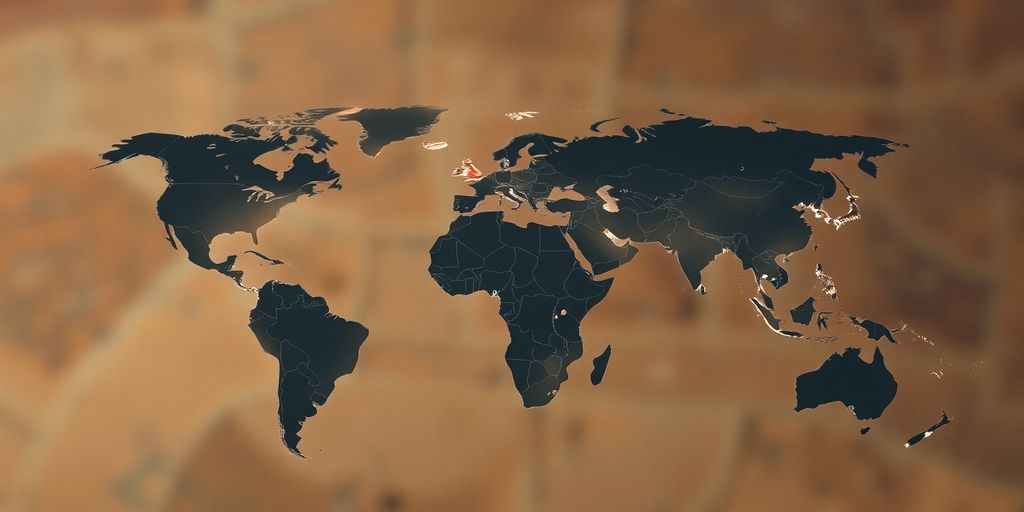
Geographic branding is all about selling a location. It’s more than just tourism; it’s about attracting businesses, residents, and investment. It’s about crafting a story that makes people want to be a part of a place. It’s like giving a place its own personality!
Highlighting Local Charm
Think about what makes a place special. Is it the stunning natural beauty? The rich history? The unique culture? Geographic branding is about showcasing these assets. It’s about telling the world what makes this place different and why they should care. It’s about finding the heart of a place and sharing it with everyone. A great example is a local brand that operates within a small geographical area, focusing its ideology and products on targeting consumers within that defined locale.
Attracting Visitors and Investment
A successful geographic brand can be a powerful economic engine. It can draw in tourists eager to experience the local culture, businesses looking for a new home, and investors seeking opportunities. It’s about creating a positive image that makes people want to spend their time and money there. It’s about building a reputation that attracts the right kind of attention.
Fostering Community Pride
Geographic branding isn’t just about attracting outsiders; it’s also about building pride within the community. When residents feel good about where they live, they’re more likely to invest in it, support local businesses, and become ambassadors for their home. It’s about creating a sense of belonging and shared identity.
Geographic branding is a long-term investment. It requires a deep understanding of the place, its people, and its potential. It’s about building a brand that is authentic, sustainable, and reflects the true spirit of the location.
Here are some ways to build community pride:
- Organize local events and festivals.
- Support local artists and businesses.
- Promote the area’s history and culture.
The Art of Cultural Branding
Cultural branding? It’s all about tapping into what people believe and value. It’s not just about selling a product; it’s about selling an idea, a lifestyle, a sense of belonging. It’s about making your brand a part of the cultural conversation. Let’s explore how it works.
Embracing Shared Values
Cultural branding is about more than just slapping a trendy slogan on your product. It’s about understanding the core values of your target audience and aligning your brand with those values. Think about brands that champion sustainability or social justice – they’re not just selling stuff; they’re selling a commitment to a better world. It’s about finding that sweet spot where your brand’s identity intersects with the cultural values of your audience. To do this, you can:
- Conduct thorough market research to understand your audience’s values.
- Incorporate these values into your brand messaging and storytelling.
- Partner with organizations that share your values to build credibility.
Resonating with Your Audience
To truly connect, you need to speak your audience’s language. This means understanding their humor, their references, and their cultural touchstones. It’s about creating content that feels authentic and relatable, not forced or contrived. Think about those ads that make you laugh because they get you. That’s cultural branding in action. It’s about making your brand feel like a friend, not just a corporation. Consider how a cultural influence strategy can help you achieve this.
Building a Sense of Belonging
Ultimately, cultural branding is about creating a community around your brand. It’s about making people feel like they’re part of something bigger than themselves. Think about brands that have passionate fan bases – they’ve created a sense of belonging that goes beyond just buying a product. It’s about fostering connections, creating shared experiences, and building a tribe. It’s about making your brand a symbol of identity and belonging.
Cultural branding is not a one-size-fits-all approach. It requires a deep understanding of your target audience, a willingness to embrace their values, and a commitment to building authentic connections. When done right, it can create a powerful and lasting bond between your brand and your customers.
Wrapping Things Up: Your Branding Journey
So, we’ve gone through all sorts of branding types, right? It might seem like a lot to take in, but honestly, knowing about these different ways to brand stuff is super important for making your business stand out. It doesn’t matter if you’re just starting out with your own thing or if you’re working for a big company, every kind of branding has its own special purpose. When you get how they all work, you can put together a message that really clicks with the people you want to reach. That’s how you build trust, get people to stick with you, and, in the end, make your business a real winner. It’s pretty cool when it all comes together!
Frequently Asked Questions
What exactly is ‘branding’?
Branding is like giving a business or person a unique personality. It’s how they show themselves to the world, including their name, logo, colors, and the way they talk. It helps people remember them and know what they’re all about.
Why is having a strong brand important?
A strong brand helps a business stand out from others. It builds trust with customers, makes them feel connected, and encourages them to choose that business again and again. It’s super important for growing and being successful.
Is branding the same as marketing?
While both are about getting the word out, branding is about building who you are and what you stand for. Marketing is the active steps you take to tell people about your brand, like ads or social media posts. Branding is the foundation, and marketing is how you share it.
How many different types of branding are there?
There are many kinds! Some common ones include corporate branding (for a whole company), personal branding (for an individual), product branding (for a specific item), and service branding (for a service like a haircut or legal advice). Each one has its own special way of working.
How do I build a good brand for myself or my business?
You need to figure out what makes you or your business special, who you want to reach, and what message you want to send. Then, you create visuals (like a logo) and a voice that fit. Being consistent with your brand everywhere is key.
Can a brand change over time?
A brand can change over time! As a business grows or new trends appear, a brand might need a refresh. This is called ‘rebranding.’ It helps the brand stay fresh and connected with its audience.