
As we look ahead to 2025, businesses are constantly on the lookout for fresh and innovative ways to stand out in a crowded market. Branding is more important than ever, and the right ideas can make a big difference. In this article, we’ll explore ten cool branding ideas that can help elevate your business and capture the attention of your audience. From tech-driven experiences to sustainable practices, these strategies are designed to resonate with consumers and boost your brand’s visibility.
Key Takeaways
- Augmented reality can create unique customer interactions.
- Sustainable packaging can enhance brand loyalty and appeal.
- Collaborations with other brands can expand your reach and audience.
- Personalized experiences make customers feel valued and understood.
- Using AI tools can streamline your marketing efforts and improve effectiveness.
1. Augmented Reality Experiences
Okay, so AR isn’t exactly new, but the way businesses are using it is getting seriously cool. Forget those clunky AR apps from a few years ago. We’re talking about seamless, integrated experiences that actually add something to the customer journey.
Imagine trying on clothes virtually from your couch, or seeing how furniture looks in your living room before you even buy it. It’s all about making the shopping experience more interactive and, honestly, more fun. Plus, it can seriously cut down on returns, which is a win-win for everyone.
AR can also be used for training purposes, product demos, and even just creating a buzz around your brand. Think interactive games, virtual tours, and personalized content that pops up when customers scan your product with their phones. The possibilities are pretty much endless, and the tech is only getting better and more accessible. Get ready to see AR become a standard part of the branding landscape in 2025.
2. Sustainable Packaging Solutions
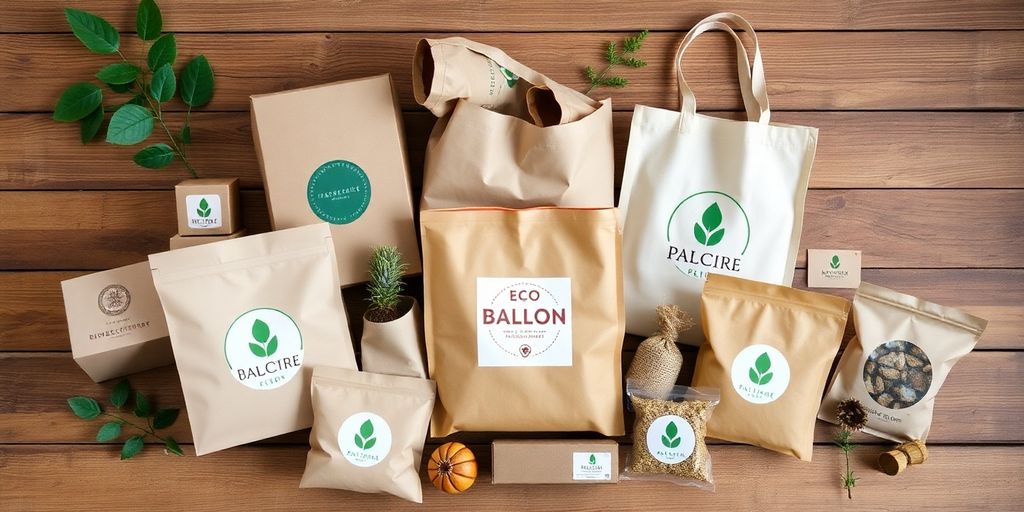
Okay, so, sustainable packaging. It’s not just a trend; it’s, like, the thing now. Consumers are way more aware, and they’re actually making choices based on how eco-friendly a company is. So, if your packaging is still stuck in the dark ages, you’re gonna lose out. Big time.
Switching to sustainable packaging can seriously boost your brand’s image. Think about it: less waste, fewer resources used, and a happier planet. It’s a win-win, right? Plus, there are so many cool options out there now. It’s not just boring cardboard anymore.
Here are some ideas to get you started:
- Biodegradable Materials: Stuff that breaks down naturally. Think mushroom packaging or seaweed pouches. Super cool and super green.
- Recycled Content: Using materials that have already been used. Obvious, but still important. Post-consumer recycled (PCR) plastic is a great option.
- Minimalist Design: Minimalism is emerging as a key trend. Less packaging is more. Simple, clean, and effective.
Honestly, it’s not just about being "green" anymore. It’s about being smart. Sustainable packaging can actually save you money in the long run by reducing waste and improving efficiency. Plus, it shows your customers that you care, and that’s priceless.
So, yeah, get on board with sustainable packaging. Your brand (and the planet) will thank you.
3. Interactive Brand Collaborations
Brand collaborations? Oh, they’re not just a trend; they’re a whole vibe! Think of it as your favorite brands teaming up to create something totally new and unexpected. It’s like when your favorite band does a collab with another awesome artist – pure magic can happen. These partnerships can bring fresh energy, reach new audiences, and create buzz that neither brand could achieve alone.
Brand collaborations are a fantastic way to shake things up, inject some excitement into your marketing, and show your customers that you’re not afraid to try new things. Plus, it’s just plain fun to see what crazy ideas come to life!
Here’s why interactive brand collaborations are set to be huge in 2025:
- Expanded Reach: Partnering with another brand instantly exposes you to their customer base, and vice versa. It’s a win-win!
- Innovation Boost: Combining different skill sets and perspectives can lead to seriously innovative products or experiences. Luxury brand partnerships are a great example of this.
- Enhanced Brand Image: A well-chosen collaboration can elevate your brand’s image and make you look cutting-edge and relevant.
4. Personalized Customer Journeys
Okay, so by 2025, generic marketing is so last year. People want to feel seen, heard, and understood. That means businesses need to step up their game and offer experiences tailored to each individual customer. It’s not just about slapping a name on an email anymore; it’s about understanding their needs, preferences, and past interactions to create a journey that feels, well, personal.
Personalization is the key to unlocking customer loyalty and driving sales.
Think about it: you’re more likely to buy from a company that anticipates your needs and offers relevant solutions, right? It’s like they’re reading your mind (but in a non-creepy way, of course).
Here’s the deal:
- Data is your friend: Collect and analyze customer data to understand their behavior and preferences. Use this data to segment your audience and create targeted campaigns.
- Personalize every touchpoint: From email marketing to website content to customer service interactions, make sure every interaction feels personal and relevant.
- Use AI to your advantage: AI-powered tools can help you automate personalization at scale, making it easier to deliver personalized experiences to every customer.
Personalized customer journeys aren’t just a trend; they’re the future of marketing. By investing in personalization, businesses can build stronger relationships with their customers, increase loyalty, and drive sales.
It’s all about making the customer feel like they’re the only one in the room. And in a world where everyone is fighting for attention, that’s a pretty powerful thing. So, start thinking about how you can personalize emails and other interactions to create a truly unique and memorable experience for your customers.
5. AI-Driven Marketing Tools
Okay, so AI is everywhere, right? And marketing is no exception. Forget those days of guessing what your customers want. Now, we’ve got AI doing the heavy lifting. It’s not just about automation anymore; it’s about getting smarter with every campaign. Think personalized experiences at scale, predictive analytics that actually predict, and content creation that doesn’t feel like it was written by a robot. It’s a wild time to be in marketing, and honestly, I’m here for it.
AI-driven tools are changing the game by providing insights and automation that were previously unimaginable. This means more efficient campaigns, better customer engagement, and ultimately, a bigger impact on your bottom line.
Here’s a few ways AI is shaking things up:
- Predictive Analytics: AI can analyze past data to forecast future trends and customer behavior. This helps you make smarter decisions about where to invest your marketing dollars.
- Personalized Content: AI can tailor content to individual customers based on their preferences and behaviors. This leads to higher engagement and conversion rates. Check out these AI marketing tools for rapid growth.
- Chatbots and Virtual Assistants: AI-powered chatbots can provide instant customer support and answer common questions, freeing up your team to focus on more complex tasks.
- Automated Ad Campaigns: AI can optimize your ad campaigns in real-time, adjusting bids and targeting to maximize your ROI.
It’s not about replacing marketers with robots, it’s about giving them superpowers. Embrace the change, learn the tools, and get ready to see some serious results.
6. Influencer Partnerships
Okay, so influencer partnerships aren’t exactly new, but the way we approach them in 2025 is getting a serious upgrade. It’s not just about slapping a face on a product anymore. It’s about genuine connection and shared values. Think less billboard, more trusted friend.
The key is finding influencers who truly align with your brand’s mission and can authentically represent your products or services. People can spot a fake endorsement a mile away, and that’s a quick way to lose credibility.
Here’s what’s working now:
- Micro-influencers: These folks have smaller, more engaged audiences. They often have higher engagement rates and feel more relatable to their followers.
- Long-term collaborations: Instead of one-off posts, build lasting relationships with influencers. This allows for more in-depth content and a stronger connection with their audience.
- Authenticity is king: Let influencers create content in their own style. Don’t try to control every little detail. Trust their expertise and let their personality shine through. This is how you can create a successful influencer marketing strategy.
Influencer marketing is evolving. It’s less about reach and more about relevance. Find people who genuinely love what you do, and let them share that passion with their audience. It’s a win-win.
It’s all about building trust and creating content that actually resonates with people. Forget the hard sell; focus on genuine connection.
7. Virtual Reality Showrooms
Imagine stepping into a store without leaving your couch. That’s the promise of virtual reality showrooms, and it’s getting closer to reality every day. By 2025, expect to see more brands experimenting with this immersive technology to create unique shopping experiences. It’s not just about browsing products; it’s about creating an engaging, memorable brand interaction.
Think about it: you could virtually walk through a furniture store, arrange items in a digital version of your living room, and see how everything looks before you buy. Or, you could explore a car showroom, customize your dream vehicle, and even take it for a virtual test drive. The possibilities are pretty exciting!
VR showrooms aren’t just a gimmick; they can offer real benefits. They can help customers visualize products in their own spaces, reduce the need for physical stores, and gather valuable data about customer preferences. Plus, they offer a fun, innovative way to experience retail that can set your brand apart.
VR showrooms can also help brands reach a wider audience. Customers from anywhere in the world can visit your showroom, regardless of their location. This can be especially useful for brands that sell niche products or have a limited physical presence.
Here are a few things to keep in mind if you’re considering a VR showroom:
- Focus on the experience: Make sure the VR environment is engaging and easy to navigate.
- Offer unique features: Go beyond simply displaying products; offer interactive elements, customization options, and personalized recommendations.
- Gather feedback: Use data from the VR showroom to improve your products, marketing, and customer service.
VR showrooms are poised to transform the way we shop, and brands that embrace this technology early will be well-positioned for success in the years to come.
8. Community Engagement Initiatives
Okay, so, you want to build a brand that people actually care about? Then you need to get involved with your community. It’s not just about selling stuff; it’s about building relationships and showing that you’re more than just a faceless corporation. Think of it as making friends, but, you know, with a business twist. Let’s get into it.
One of the best ways to do this is by sponsoring local events. Sponsoring a local little league team or a community fair can get your brand noticed and show that you support the area. It’s a win-win! Plus, you get some good PR out of it. Another great way to engage is by partnering with local charities.
Consumers are more likely to support brands that give back.
Here are some ideas to get you started:
- Host Workshops or Classes: Share your expertise with the community. If you run a bakery, offer a baking class. If you’re a tech company, host a coding workshop. It’s all about providing value.
- Create a Community Forum: Set up an online space where customers can connect, share ideas, and provide feedback. This helps build a sense of belonging and gives you direct insights into what your audience wants. Check out these engagement marketing strategies.
- Volunteer as a Team: Organize company-wide volunteer days at local shelters, parks, or food banks. This not only helps the community but also boosts team morale.
Getting involved in community initiatives is a great way to build brand loyalty and show that you care about more than just profits. It’s about creating a positive impact and building lasting relationships.
Don’t just talk about making a difference; actually do it. People will notice, and your brand will be better for it.
9. Limited Edition Product Drops
Okay, so everyone loves something they can’t easily get, right? That’s the whole idea behind limited edition product drops. It’s about creating buzz and excitement around your brand by releasing a product that’s only available for a short time, or in very limited quantities. Think of it like the hottest concert tickets – everyone wants them, and that makes them even more desirable.
Here’s the deal: limited edition drops can seriously boost your brand’s image. They make your products feel special and exclusive, which can attract new customers and get existing ones super excited. Plus, they’re a great way to test out new ideas or designs without committing to a full-scale launch. It’s like dipping your toes in the water before diving in!
Limited edition drops aren’t just about selling products; they’re about creating an experience. They’re about making your customers feel like they’re part of something special and exclusive. And that feeling? That’s what builds brand loyalty.
Here are a few things to keep in mind if you’re thinking about doing a limited edition drop:
- Make it unique: The product should be something different from your regular line. Think special colors, designs, or features.
- Create a sense of urgency: Let people know that the product is only available for a limited time or in limited quantities. This will encourage them to buy it now, rather than later.
- Promote it well: Use social media, email marketing, and other channels to get the word out about your drop. Hype it up!
10. Experiential Pop-Up Events
Okay, so pop-up events might seem like old news, but trust me, they’re getting a serious upgrade for 2025. We’re not talking about your average table in a mall anymore. Think immersive, unforgettable experiences that people will actually want to share on their socials. It’s all about creating a buzz and making a lasting impression.
Pop-up events are evolving into highly curated, shareable experiences that blend the physical and digital worlds, offering consumers a unique and memorable interaction with your brand.
Imagine a pop-up that’s designed to look like a scene from your favorite movie, or a temporary art installation that showcases your brand’s values. The possibilities are endless! And with the right strategy, you can use these events to drive sales, build brand awareness, and connect with your audience on a deeper level. Think of it as a chance to bring your brand to life in a tangible, exciting way. You can even use these events to test out new products or services before launching them on a larger scale. It’s a win-win!
Here’s the deal: people are craving real-life experiences more than ever. They’re tired of being bombarded with ads online and are looking for something that feels authentic and engaging. Experiential pop-up events offer online ticket sales exactly that. By creating a memorable event, you’re not just selling a product or service, you’re selling an experience. And that’s something that people will remember long after the event is over.
Here are a few ideas to get you started:
- Partner with local artists or businesses to create a unique and collaborative experience.
- Offer interactive workshops or demonstrations that allow people to learn something new.
- Create a photo-worthy environment that encourages people to share their experiences on social media.
Wrapping It Up
So there you have it! Ten cool branding ideas to help your business shine in 2025. Whether you’re just starting out or looking to refresh your brand, these tips can really make a difference. Remember, branding is all about connecting with your audience and making a lasting impression. Don’t be afraid to get creative and try new things. The future is bright, and with the right branding strategies, your business can stand out in a crowded market. Now go out there and make your mark!
Frequently Asked Questions
What is augmented reality in branding?
Augmented reality (AR) in branding uses technology to blend digital content with the real world. This can create fun and interactive experiences for customers, like trying on clothes virtually.
Why is sustainable packaging important?
Sustainable packaging helps reduce waste and pollution. Customers like brands that care about the environment, so using eco-friendly materials can improve your brand’s image.
How do brand collaborations work?
Brand collaborations happen when two or more brands team up to create a special product or campaign. This can help both brands reach new customers and create excitement.
What are personalized customer journeys?
Personalized customer journeys are experiences tailored for individual customers based on their preferences and behaviors. This can make customers feel valued and improve their loyalty.
What role does AI play in marketing?
AI helps businesses analyze data, predict customer behavior, and automate marketing tasks. This makes marketing efforts more efficient and effective.
What are experiential pop-up events?
Experiential pop-up events are temporary events that allow customers to interact with a brand in a fun and engaging way. These events can create memorable experiences and build brand loyalty.